Deposits, wires, and the payment traps used on car buyers
How to move money for an international vehicle without becoming the next advance-fee case. Escrow, named accounts, and the channels you should never touch.
15 Aug 2026 · 8 min read
Fraudsters do not need you to buy the car. They need you to send the first payment. After that, psychology does the rest: you have already committed, so the next 'customs' invoice feels smaller than walking away.
Build the paper trail before a kobo moves
- A written invoice on company letterhead, with registration number, physical address, and the VIN.
- A named corporate account that matches the invoice. Not a director's personal account 'because SWIFT is down'.
- A contract that states when title passes, who pays duty, and what happens if the car fails inspection.
- A third-party escrow or letter of credit for larger deals — especially anything you have not stood next to.
Channels that should end the conversation
Cryptocurrency, gift cards, cash-to-agent, money-transfer kiosks, and 'use my brother's account in another country' have no legitimate role in a vehicle purchase. They exist to break the recall path. If your bank cannot reverse it, do not use it for a car you have not inspected.
If you already sent money
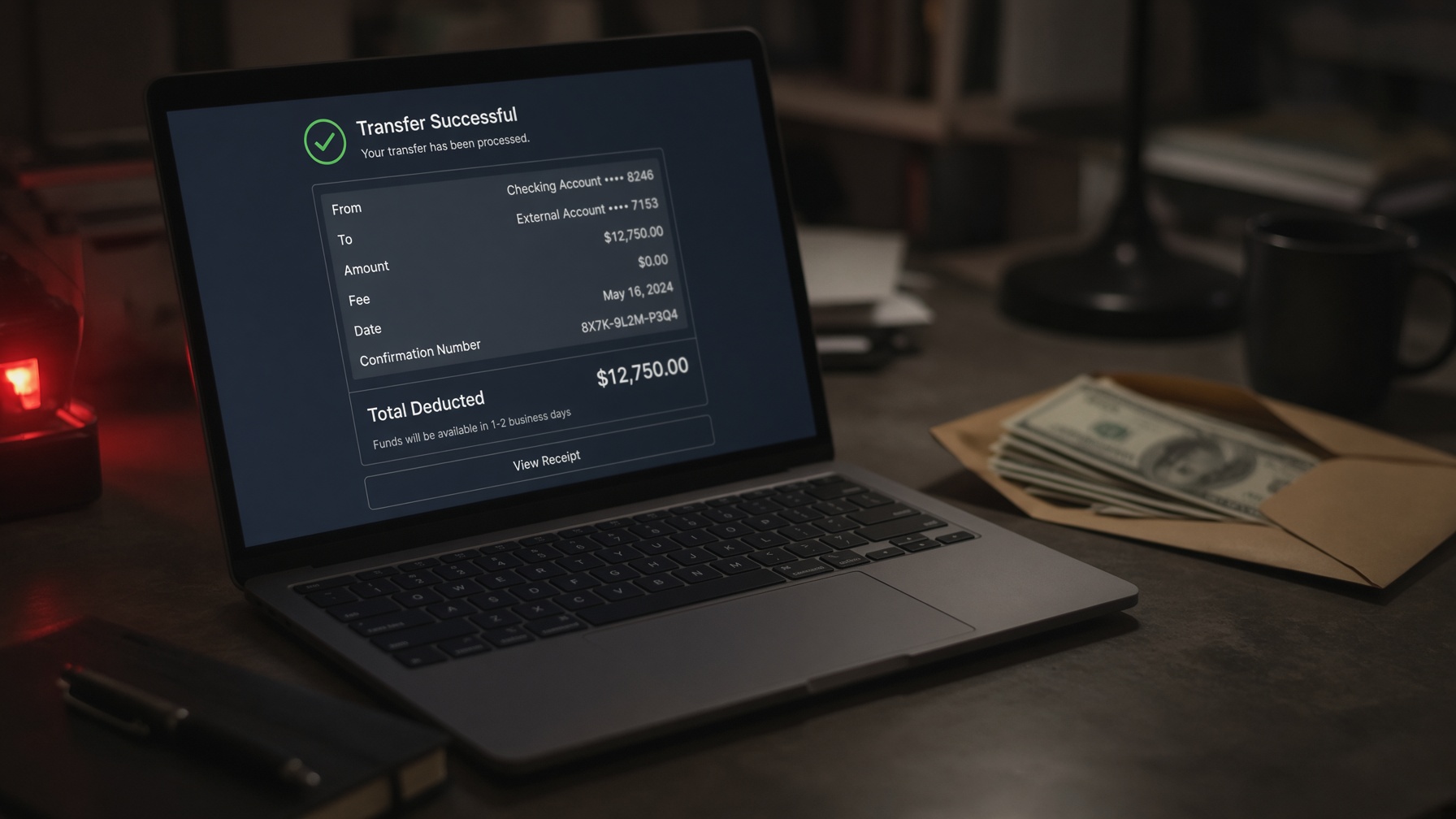
Call your bank's fraud desk the same hour. Request a recall or hold. File a police report in your city and, if you can identify a jurisdiction, with the seller's. Save the chat, the invoice, and the SWIFT receipt. Do not send a 'final' amount to release the car — that is the second bite. Our aftercare guide covers the full sequence.
Keep reading
How international dealership scams actually work
The car is rarely the product. The deposit is. A field guide to bait listings, cloned lots, advance-fee clearing, and the pressure scripts used on overseas buyers.
Private sellers: the red flags that show up before the test drive
No lot, no company, still a deal — sometimes. How to buy from a private party without inheriting someone else's problem car or a phantom listing.
The imported-car inspection that actually protects you
Paint can lie. A scan tool, a VIN plate, and a cold start cannot. This is the pre-purchase checklist BetterDeal TV uses before anyone should wire a deposit.