
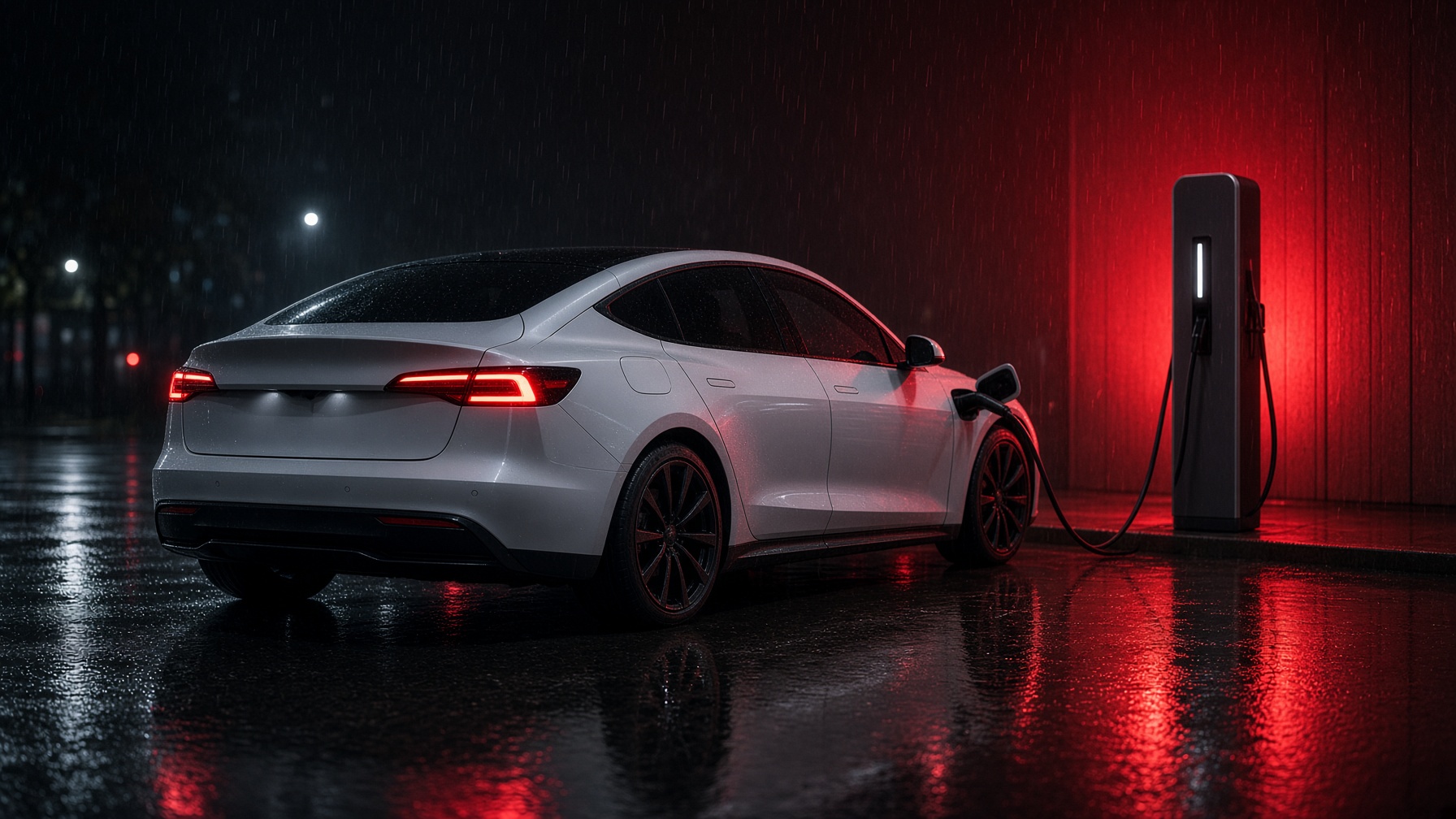
Petrol, hybrid, or EV: what actually works after the duty cut
Zero import duty on EVs sounds like a verdict. Charging, outages, parts, and residual value are the rest of the sentence. A buyer-first comparison.
17 Aug 2026 · 8 min read
Policy made electric cars cheaper to land in Nigeria. Fuel prices made them more interesting. Neither fact answers the only question that matters on a Tuesday in traffic: will this car start, charge, and still be serviceable in three years?
The questions before the spec sheet
- Where will it charge at home — and what happens in a long outage?
- Is there a dealer or independent who can diagnose that inverter, not just sell you the car?
- What is the tyre, brake, and high-voltage battery story for that model in this climate?
- Would a hybrid give you 80% of the fuel save with 20% of the infrastructure risk?
Hybrids are not a cop-out
For a lot of African city and highway use, a well-known hybrid powertrain is still the adult answer: lower fuel use, no range anxiety, parts that mechanics have seen. An EV is a brilliant tool if you have reliable overnight power and a plan for long trips. It is a science project if you do not.
Still inspect it like any import
Battery health reports, accident history on the inverter, and flood checks matter more, not less, on electrified cars. A cheap EV with a tired pack is not a climate win. It is a brick with nice wheels. Run the same VIN and body checks. Then add a battery report from a shop that owns the right kit.
Keep reading
Landing cost, duty, and the 'too cheap' import
Levy cuts, green taxes, freight, and clearing. Why a low auction price is not the price you will pay at the port — and how fake landing quotes are used as bait.
The imported-car inspection that actually protects you
Paint can lie. A scan tool, a VIN plate, and a cold start cannot. This is the pre-purchase checklist BetterDeal TV uses before anyone should wire a deposit.
How international dealership scams actually work
The car is rarely the product. The deposit is. A field guide to bait listings, cloned lots, advance-fee clearing, and the pressure scripts used on overseas buyers.