
VIN, chassis, engine: the three numbers that must agree
A perfect paint job over the wrong mill is not a sleeper build. It is a liability. How to catch swapped engines, restamped plates, and 'matching numbers' stories.
20 Aug 2026 · 8 min read
In the import trade, 'matching numbers' is not a collector hobby. It is how you know the car you are paying duty on is the car in the photos. When the VIN, chassis stamp, and engine number disagree, someone already had a reason to hide work.
Where to look
- Windshield VIN plate — easiest to clone, still required.
- Driver door or B-pillar sticker — check the build date against the model year you were sold.
- Chassis stamp on the firewall, strut tower, or frame rail — this is the one scammers hate.
- Engine pad or cam cover stamp — compare type code and serial to the service book and customs papers.
What a swap looks like
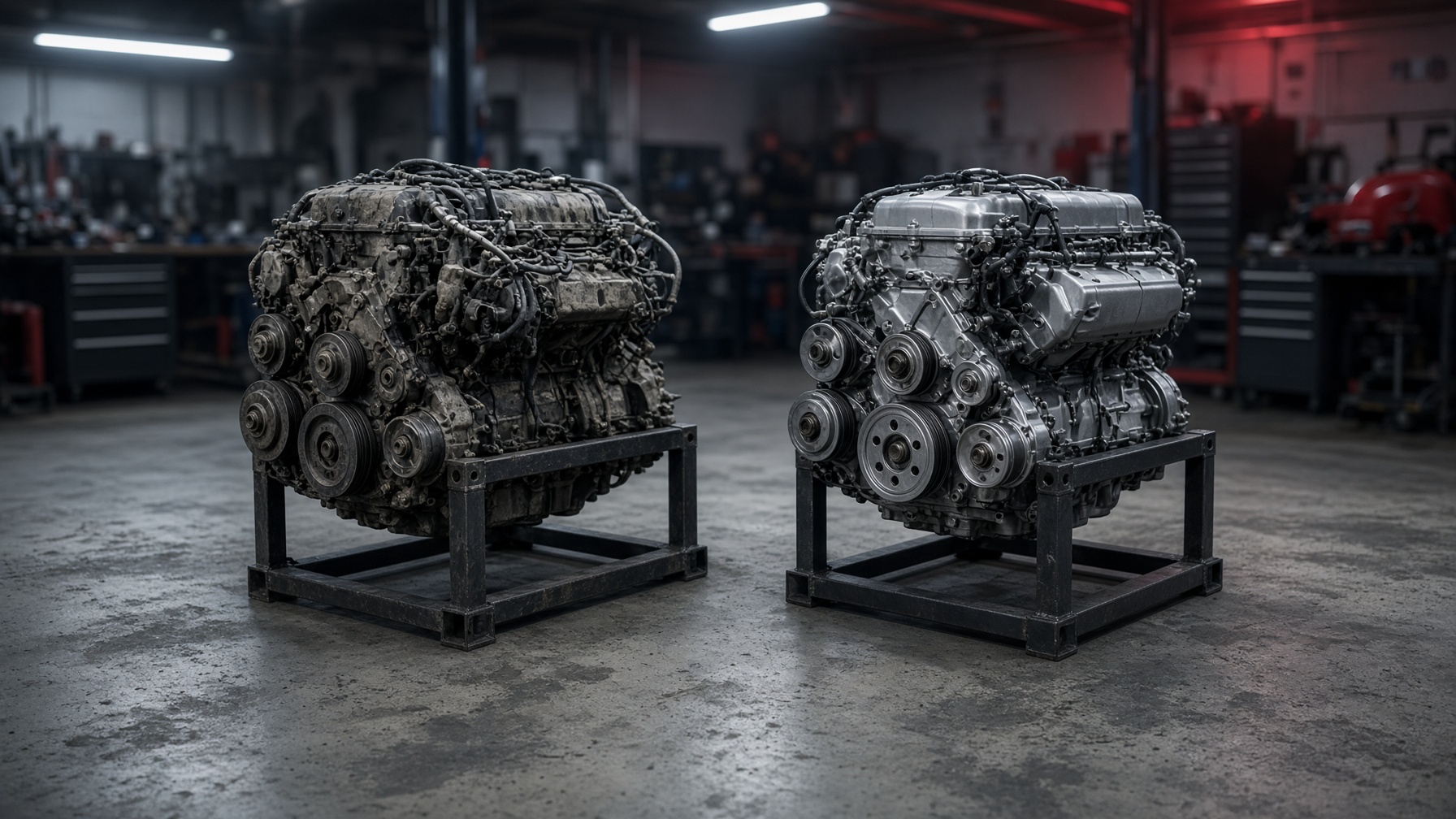
Fresh dress-up on an old block. Missing emissions hardware. Wiring tape that does not match the factory loom. An ECU that reports a different family. A service history that stops the year the engine 'got tired'. On some Toyotas and Lexuses popular in West Africa, a healthy body with a tired mill is a known product. Price it as an engine job, or leave it.
How to record it so you can prove it later
Video the three numbers in one continuous take, then stills. Keep the files. If a dispute appears at the port, at registration, or with an insurer, those clips are worth more than a dealer invoice. BetterDeal TV's Episode 8 exists so buyers stop skipping this ten-minute job.
Keep reading
The imported-car inspection that actually protects you
Paint can lie. A scan tool, a VIN plate, and a cold start cannot. This is the pre-purchase checklist BetterDeal TV uses before anyone should wire a deposit.
How international dealership scams actually work
The car is rarely the product. The deposit is. A field guide to bait listings, cloned lots, advance-fee clearing, and the pressure scripts used on overseas buyers.
Deposits, wires, and the payment traps used on car buyers
How to move money for an international vehicle without becoming the next advance-fee case. Escrow, named accounts, and the channels you should never touch.